





A Mindful Guide to Ecotourism and Responsible Travel in Tulum
Ecotourism in Tulum is about more than choosing eco-friendly activities or staying close to nature.
It’s a way of traveling that respects the land, protects wildlife, and honors the communities that have lived in connection with this environment for generations. In a destination shaped by jungle, cenotes, and sea, traveling responsibly becomes part of the experience itself.
This guide is designed for travelers who want to experience Tulum with awareness. Those who are curious about the natural rhythms of the region, who want to understand how to interact respectfully with its ecosystems, and who believe that meaningful travel starts with listening, observing, and caring.
What ecotourism in Tulum really means
Ecotourism in Tulum is often associated with sustainability, but its true meaning goes deeper. It involves making conscious choices that reduce impact on the environment while supporting local culture and long-term conservation efforts.
In Tulum, this means recognizing that:
The jungle, cenotes, reef, and coastline are part of one interconnected system
Water is a limited and precious resource
Wildlife depends on undisturbed habitats
Tourism directly affects local communities
Responsible travel begins with awareness. Where you stay, how you move, and the experiences you choose all influence the balance of the region. Ecotourism encourages slower travel, smaller-scale experiences, and a deeper connection with place rather than consumption.

Turtles in Tulum and the importance of conservation
One of the most meaningful natural events in the region is the nesting season of turtles in Tulum. From late spring through early fall, sea turtles return to the beaches to lay their eggs, continuing a cycle that has existed for thousands of years.
This is also a vulnerable time. Artificial lights, noise, human presence, and improper behavior can disrupt nesting and affect hatchlings’ survival.
If you encounter turtles in Tulum, whether on the beach or in the water, responsible behavior is essential.
Please keep in mind the following guidelines:
Never touch turtles or hatchlings
Avoid flash photography, especially at night
Keep a respectful distance
Follow guidance from local conservation teams
Several local organizations work year-round to protect nests, monitor hatchlings, and educate visitors. Participating in guided conservation experiences allows travelers to learn about marine life while supporting these efforts directly.
Swimming near turtles should also be done with care. Using reef-safe sunscreen, avoiding sudden movements, and observing quietly helps reduce stress on wildlife. The goal is always observation, not interaction.

Exploring cenotes and jungle spaces responsibly
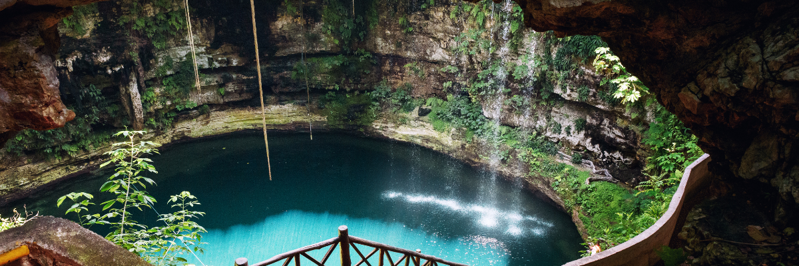
Cenotes are one of the most iconic natural features of the region, and a key element of ecotourism in Tulum. These freshwater systems are part of an underground network that supplies water to the area and supports surrounding ecosystems.
Because of this, even small actions have an impact. Before entering a cenote:
Shower to remove sunscreen, lotions, or insect repellent
Use only biodegradable products when necessary
Respect posted rules and sacred areas
Many cenotes have spiritual significance rooted in Mayan tradition. Moving through these spaces with respect means understanding that they are not just attractions, but living systems with cultural and environmental value.
The same applies to jungle paths and nature trails. Staying on marked routes helps protect fragile plant life and prevents erosion. Slowing down allows you to notice sounds, textures, and rhythms that are often missed when traveling at a faster pace.
As part of this evolving relationship between travel and conservation, the recently established Parque del Jaguar represents an important shift. Created to protect jungle corridors, archaeological zones, and wildlife habitats, it invites visitors to move through the land with greater awareness. Beyond its role as a park, it reflects a broader commitment to responsible access, where preservation depends on care, limits, and respect for the natural rhythms of the region.
Sustainable travel in Tulum and local community respect
Sustainable travel in Tulum is not limited to environmental care. It also involves cultural awareness and respect for the people who call this region home.
Tulum has deep Mayan roots that continue to shape daily life, language, food, and traditions. Traveling responsibly involves taking small steps to engage with this culture with care, from supporting local businesses and artisans to respecting shared spaces, language, and long-held traditions.
Cultural respect is built through presence and humility. It comes from understanding that local traditions are lived experiences, not performances created for visitors.
When travelers approach the destination with curiosity rather than entitlement, connections become more meaningful and authentic.
Choosing experiences aligned with ecotourism in Tulum
Experiences rooted in ecotourism tend to prioritize quality, education, and connection. In Tulum, this often looks like:
Small group activities led by local guides
Nature-based experiences with clear conservation values
Workshops and walks focused on learning rather than spectacle
Before booking, it’s worth asking simple questions: Who leads this experience? How does it support the environment or local community? How does it minimize impact?
Experiences aligned with ecotourism in Tulum often leave travelers with a deeper understanding of the place, not just photos.
Staying connected to nature without excess
Where you stay also plays a role in responsible travel. Accommodations designed with the environment in mind, using local materials, thoughtful architecture, and low-impact systems, help preserve the natural balance of the area.
At Delek Tulum, this philosophy is reflected in every detail. Surrounded by jungle and close to the sea, Delek offers a space where nature sets the rhythm. It’s a place to rest, observe, and reconnect, without disconnecting from the environment that makes Tulum what it is.
Responsible travel invites a different way of experiencing a destination in a way that feels aligned, grounded, and conscious.
A destination worth protecting
Tulum continues to evolve, and the way people travel here matters.
Ecotourism in Tulum is not a trend, but a necessity for preserving the region’s ecosystems, wildlife, and cultural heritage.
By choosing mindful experiences, respecting the turtles, and embracing sustainable travel practices, visitors become part of the effort to protect this place for future generations.
If you’re seeking a stay that aligns with conscious travel and a deeper connection to nature, we invite you to visit us at Delek Tulum. Our beautiful paradise offers more when you experience it with care.